AIOZ AI
Collaborate. Level Up. Build AI on Web3
CompanyAI & ML interests
Machine Learning, Computer Vision, Federated Learning
Models
62
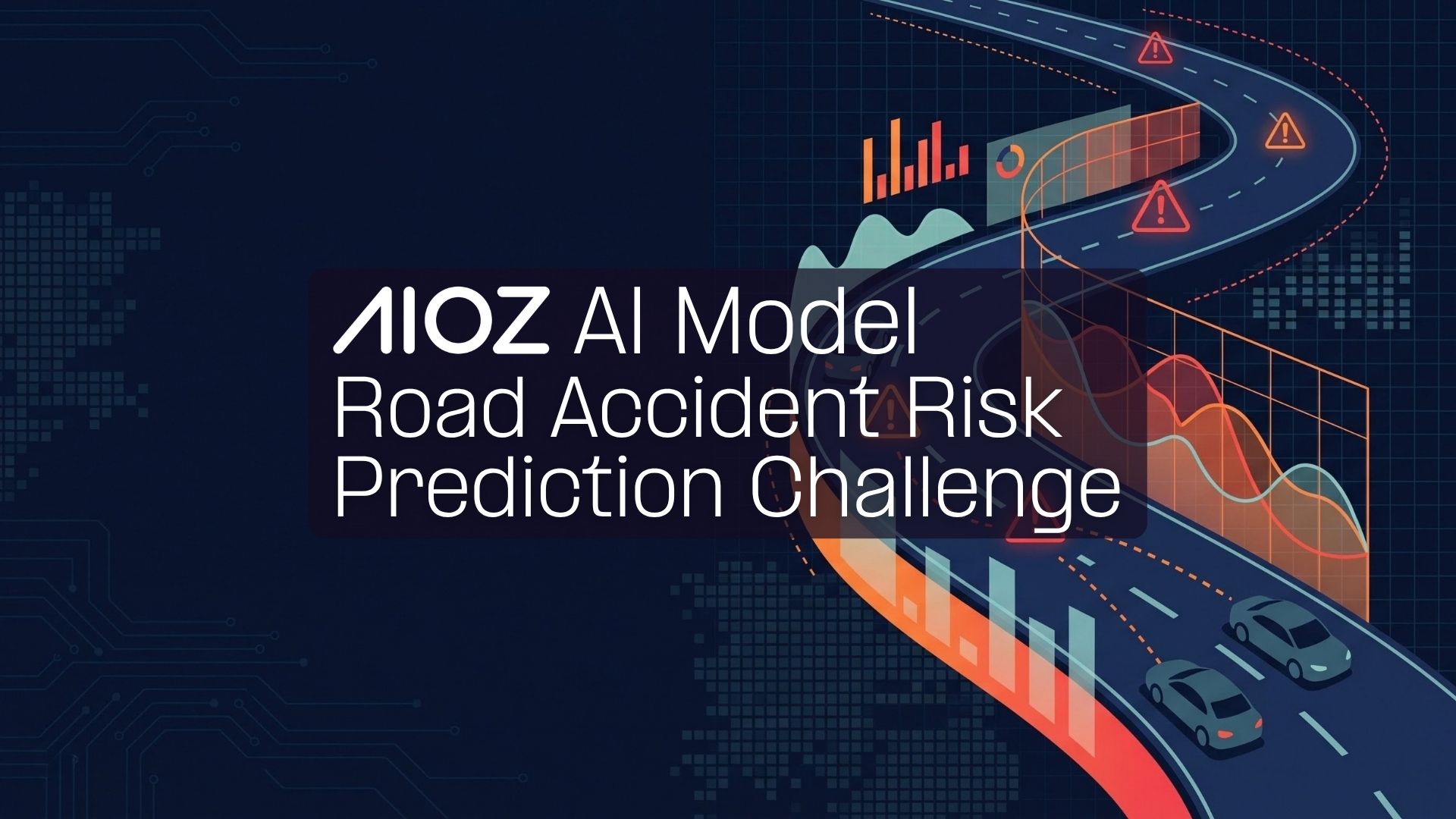
Road Accident Risk Prediction Challenge
Baseline source code for Road Accident Risk Prediction Challenge
0
7
11

DWPose: Whole-Body Pose Estimation
DWPose is a whole-body pose estimation model that detects human keypoints across the body, face, and hands. It provides ONNX weights for efficient inference and is commonly used in human pose analysis and virtual try-on applications.
3
7
8
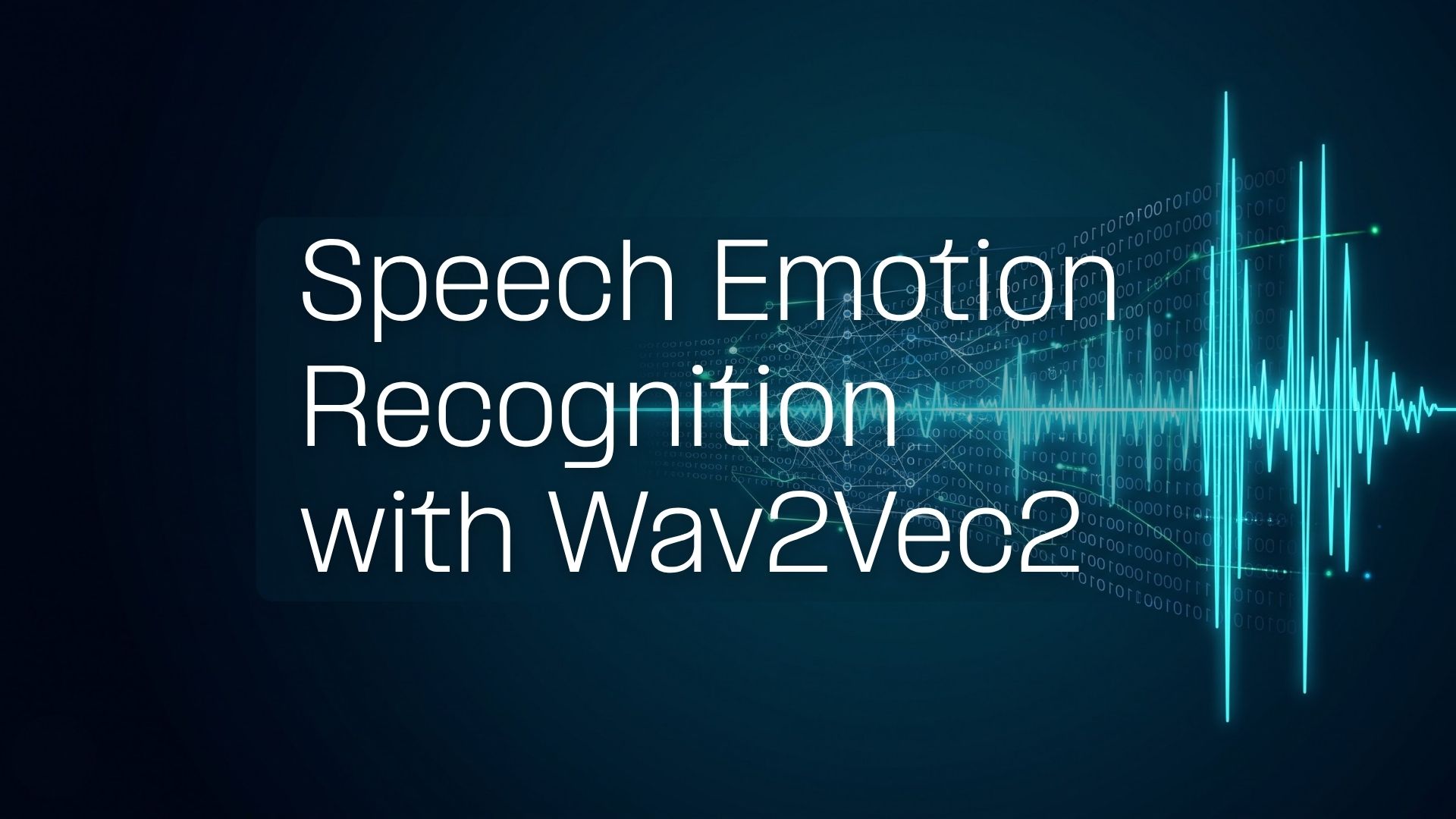
Speech Emotion Recognition with Wav2Vec2
Speech Emotion Recognition with Wav2Vec2
1
11
16
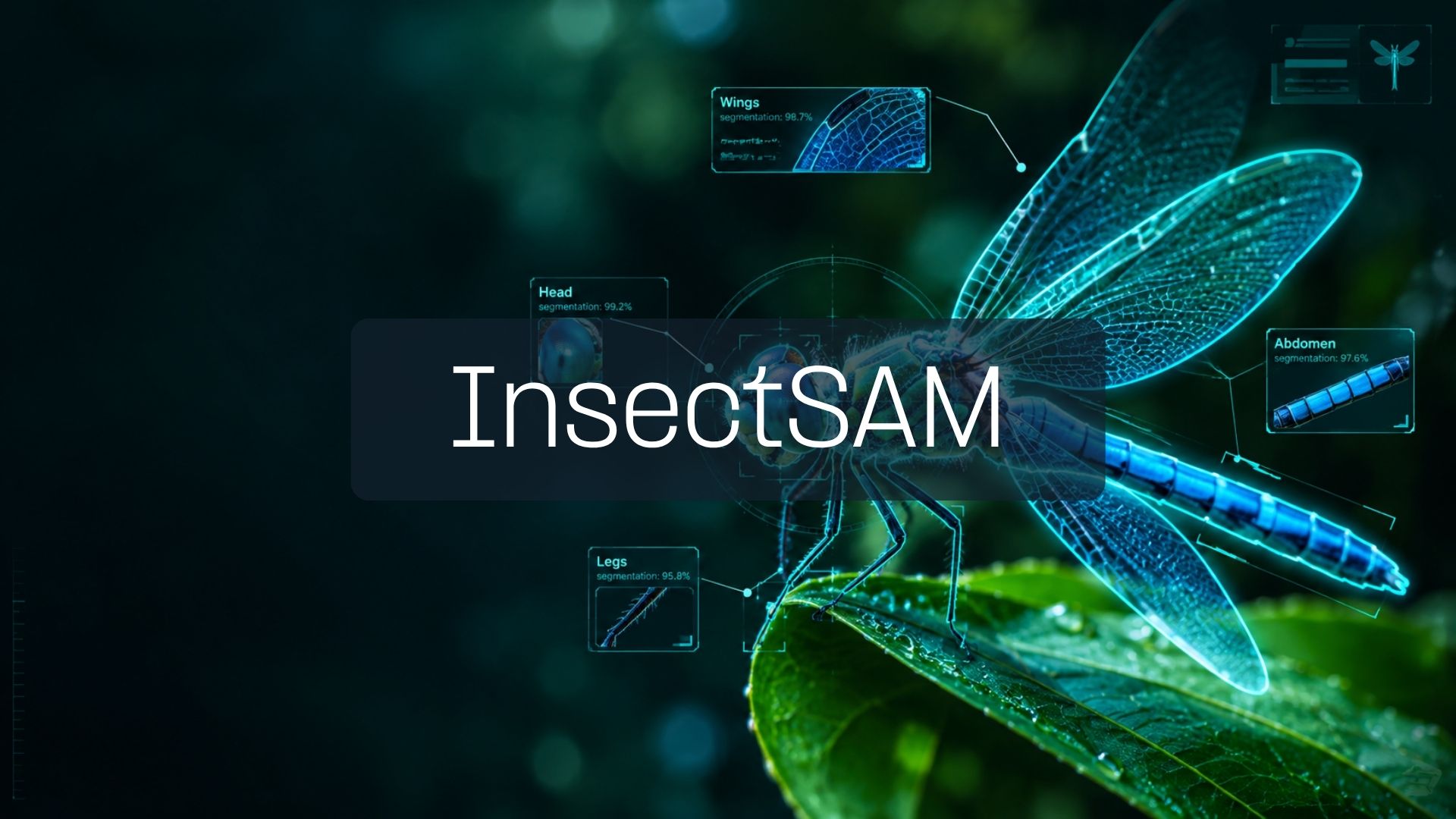
InsectSAM: Insect Segmentation and Monitoring
InsectSAM is a fine-tuned version of Meta AI's segment-anything model, optimized for insect segmentation and monitoring in the Netherlands. Designed for use with the DIOPSIS camera systems, algorithms and datasets, it enhances the accuracy of insect biodiversity segmentation from complex backgrounds.
3
22
66

TinyNet-A Image Classification
Classify images into 1,000 ImageNet categories with the compact TinyNet-A convolutional neural network.
2
17
40

Handwritten Digit Recognition Challenge
Baseline source code for Handwritten Digit Recognition Challenge
0
27
107
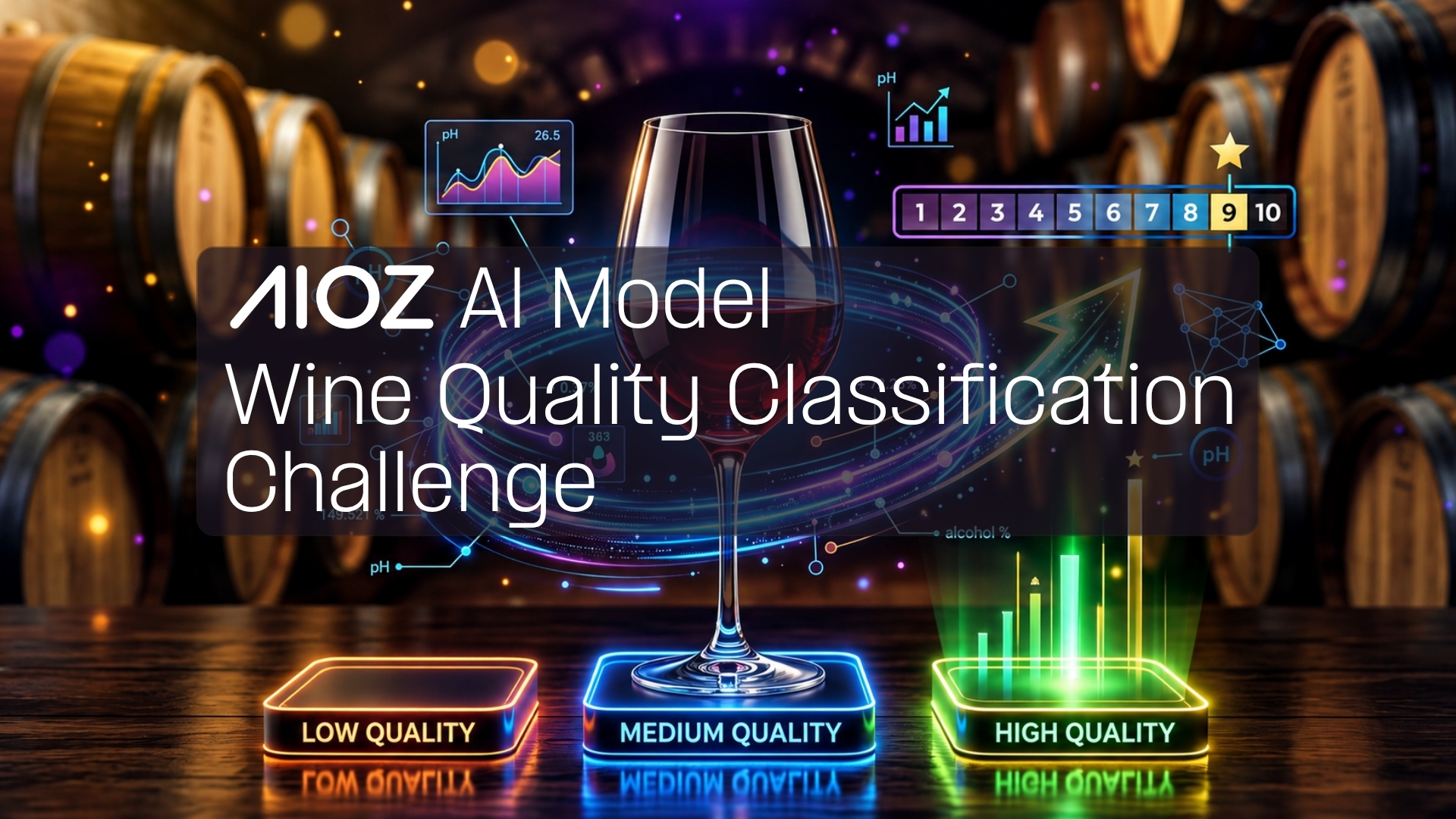
Wine Quality Classification Challenge
Baseline source code for Wine Quality Classification Challenge
0
28
170
Smoker Classification Challenge
Baseline source code for Smoker Classification Challenge
0
44
122

License Plate Recognition Challenge
Model for License Plate Recognition Challenge
0
33
7

QwQ-32B
QwQ-32B is a 32.5B-parameter causal reasoning model from the Qwen series, post-trained with supervised fine-tuning and reinforcement learning to think explicitly before answering. Despite its mid-range size, it delivers performance competitive with leading reasoning systems such as DeepSeek-R1 and o1-mini, particularly on hard math, coding, and multi-step problems. It supports a native 131,072-token context (with YaRN scaling for inputs beyond 8,192 tokens) and is best driven with non-greedy sampling (Temperature 0.6, TopP 0.95, TopK 20–40).
0
66
235
Datasets
35

Road Accident Risk Prediction Challenge
Dataset for Road Accident Risk Prediction Challenge
0
11
14

Handwritten Digit Recognition Challenge
Dataset for Handwritten Digit Recognition Challenge
1
39
119
Wine Quality Classification Challenge
Dataset for Wine Quality Classification Challenge
1
42
171
Smoker Classification Challenge
Dataset for Smoker Classification Challenge
0
59
188

License Plate Recognition Challenge
Dataset for License Plate Recognition Challenge
0
31
14